Let’s talk about a secret weapon that often gets overlooked in the sewing room. It’s not the fanciest sewing machine or the sharpest pair of shears. It’s the humble iron. Finding the right Steam Iron For Sewing Projects isn’t just a luxury; it’s a fundamental step that separates homemade-looking garments from professionally crafted pieces. Think of it as the difference between a good dish and a great one—it’s all in the finishing touches. A powerful, precise steam iron can tame stubborn fabrics, create razor-sharp creases, and flawlessly meld interfacing, transforming your work from flat fabric to a three-dimensional masterpiece.
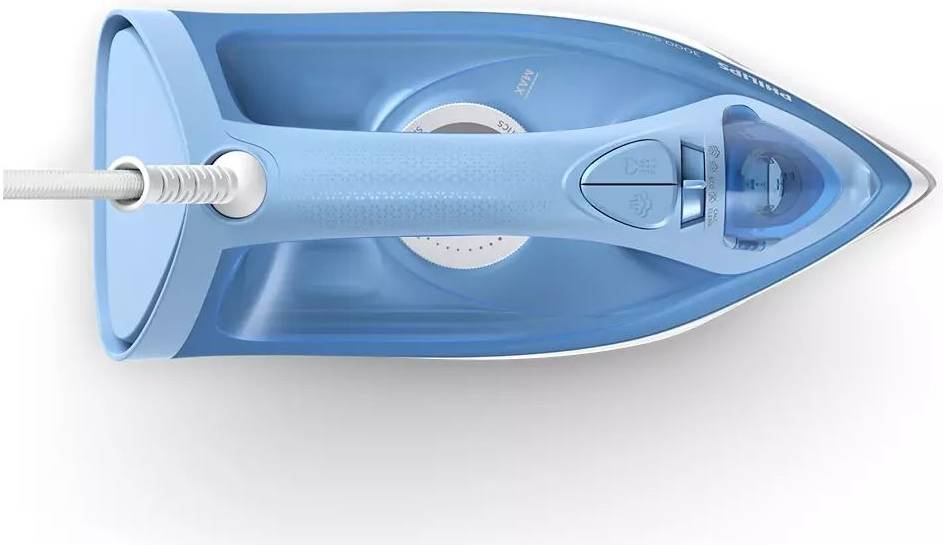
Why Your Everyday Iron Might Not Cut It for Sewing
You might be thinking, “An iron is an iron, right?” Well, not exactly. While your standard household iron is great for smoothing out a wrinkled shirt, a dedicated steam iron for sewing projects is a different beast altogether. It’s built for precision, power, and endurance.
Sewing requires repeated, targeted pressing. You’re not just gliding over a large surface; you’re pressing seams open, shaping darts, and setting in sleeves. This calls for an iron that can deliver consistent, high heat and powerful bursts of steam exactly where you need them. A regular iron often lacks the pin-point accuracy and sustained steam output needed to truly manipulate the fabric fibers, which is the very essence of professional pressing.
Key Features in a Steam Iron for Sewing Projects
When you’re on the hunt for the perfect sewing companion, it’s easy to get lost in a sea of features. Let’s break down what truly matters for a sewist.
The Soleplate: It’s All About the Glide and Tip
The soleplate—the hot, flat bottom of the iron—is your primary point of contact with the fabric. Its design is critical.
- Material: Look for either a stainless steel or ceramic soleplate. Stainless steel is durable and distributes heat evenly, while ceramic offers a super-smooth, non-stick glide that’s fantastic for delicates and prevents snagging.
- Precision Tip: A sharply tapered nose is non-negotiable. It allows you to get into tight corners, navigate around buttons and zippers, and press tiny seam allowances with surgical precision.
- Steam Vents: The more steam holes, the better. A large number of micro-steam holes ensures an even, powerful distribution of steam across the entire soleplate, penetrating fabric deeply.
Steam Power and Control: More Than Just Hot Air
Steam is the magic ingredient. It relaxes fabric fibers, making them pliable and easy to shape.
- Variable Steam: The ability to adjust the steam output is crucial. You’ll want a gentle mist for silk chiffon but a powerful blast for heavy denim or linen.
- Burst of Steam (or Shot of Steam): This feature delivers a concentrated blast of steam to tackle stubborn wrinkles or set a sharp crease in a thick fabric like wool.
- Vertical Steaming: While not a primary sewing function, it’s a fantastic bonus for steaming finished garments on a hanger to remove any final wrinkles before wearing.
Heat Matters: Precision Temperature Settings
Working with a variety of fabrics means you need an iron with a reliable and accurate temperature dial. Sewing a delicate silk lining right after a sturdy cotton canvas requires a tool that can switch gears effectively. An iron with clear, well-defined fabric settings (e.g., silk, wool, cotton, linen) removes the guesswork and prevents a catastrophic melting incident.
“I always tell my students that pressing is 50% of sewing. You can have the most perfect stitches in the world, but if your seams are puckered and your hems are wavy, the garment will never look right. A quality steam iron isn’t a tool; it’s your partner in construction.”
— Eleanor Vance, Professional Couturier
How to Press, Not Iron, Like a Pro
One of the biggest lessons in sewing is learning the difference between ironing and pressing. Ironing is a back-and-forth sliding motion designed to remove wrinkles. Pressing is an up-and-down motion, where you lift the iron and place it down on the next section. For sewing, you almost always want to press.
- Set Up Your Station: Use a sturdy, flat ironing board. Have a pressing cloth (a simple piece of cotton muslin works great) handy for delicate or dark fabrics to prevent shine.
- Test First: Always test your iron’s heat and steam settings on a scrap piece of your project fabric.
- Press As You Go: This is the golden rule. Press every single seam after you sew it. This might seem tedious, but it’s the single most effective way to achieve a professional finish.
- Press Seams Open or to the Side: For most lightweight to medium-weight fabrics like cotton, press the seam allowances open. This makes them lie flat and reduces bulk. For heavier fabrics or areas like armholes, you might press the seam allowances to one side.
- Use the Right Tools: For curved areas like darts or sleeve caps, a tailor’s ham is invaluable. It’s a tightly stuffed cushion that mimics the curves of a body, allowing you to press the fabric into the correct shape. A wooden clapper is another fantastic tool; after applying steam, you press the clapper onto the seam to trap the steam and heat, setting a perfectly flat, crisp seam.
|
Our Picks for the Best Steam iron in 2026
As an Amazon Associate, we earn from qualifying purchases.
|
||
| Num | Product | Action |
|---|---|---|
| 1 | Conair Handheld Garment Steamer for Clothes, Turbo ExtremeSteam 1875W Fabric Steamer, Portable Handheld Design, Strong Penetrating Steam, White/Champagne |

|
| 2 | Portable Travel Steamer, 1200W Handheld Fabric Steamer for Clothes, 4 Modes with LCD Display, Powerful Wrinkle Remover for Home & Travel, 150ml Water Tank, 10S Fast Heat-Up, 180° Swivel Handle |
|
| 3 | HiLIFE Steamer for Clothes, Handheld Clothes Steamer with Large 300ml Tank, 1100W Strong Power, 30S Fast Heat-up, Garment Fabric Wrinkle Remover, Portable & Compact Travel Size ONLY FOR 120V (White) |
|
| 4 | BEAUTURAL Steamer for Clothes, Portable Handheld Garment Fabric Wrinkles Remover, 30-Second Fast Heat-up, Auto-Off, Large Detachable Water Tank |
|
| 5 | Steamer for Clothes 1350W, Clothes Steamer for Home, Office, Travel, Upgraded 400ML Large Capacity Water Tank, Wrinkle Remover |
|
| 6 | HiLIFE Steamer for Clothes, Portable Handheld Design, 240ml Big Capacity, 700W, Strong Penetrating Steam, Removes Wrinkle, for Home, Office(ONLY FOR 120V) |
|
| 7 | BLACK+DECKER Light ‘N Easy Compact Steam Iron, IR1020S, Stainless Steel Soleplate, Spray Mist, Anti-Drip, Auto Shutoff |
|
| 8 | Hamilton Beach Steam Iron for Clothes & Garment Steamer with Smooth Press Stainless Steel Soleplate, 1200 Watts, 8’ Retractable Cord, Black (14214) |
|
| 9 | HiLIFE Steamer for Clothes, Portable Handheld Design, 240ml Big Capacity, 700W, Strong Penetrating Steam, Removes Wrinkle, for Home, Office(ONLY FOR 120V)-Black |
|
| 10 | BLACK+DECKER Easy Steam Compact Iron, IR06V, Dual Position Cord, TrueGlide Non-Stick Soleplate, Vertical Steam, SmartSteam |
|
What’s the Real Difference Between a Steam Iron and a Dry Iron?
The primary difference is the use of moisture. A dry iron relies solely on heat and pressure to smooth fabric, which can sometimes stretch or distort the fibers. A steam iron for sewing projects uses a combination of heat and steam to relax the fibers first, allowing you to reshape and press them into place with far less pressure and a lower risk of damage.
Essentially, steam does the heavy lifting, making the entire process faster, more effective, and gentler on your precious fabrics. For tasks like fusing interfacing, the steam helps activate the adhesive for a stronger, more even bond.
Keeping Your Sewing Companion in Top Shape: Maintenance Guide
Your iron works hard, so a little TLC will go a long way in ensuring its longevity and performance.
- Use the Right Water: If you live in a hard water area, mineral deposits (limescale) can clog your iron’s steam vents over time. Check your iron’s manual; many modern irons have anti-calcium systems, but using distilled or demineralized water is often the safest bet to prevent spitting and brown stains.
- Empty After Use: Don’t store your iron with water in the tank. Empty it after each use to prevent leaks and internal buildup.
- Clean the Soleplate: If you get fusible gunk or starch buildup on your soleplate, clean it while the iron is cool or slightly warm (unplugged!). A paste of baking soda and water or a specialized iron cleaner can work wonders. Never use abrasive scrubbers, which can scratch the surface.
- Regular Descaling: Follow the manufacturer’s instructions for the self-clean or descaling function every month or two, depending on your usage. This flushes out any mineral deposits and keeps the steam flowing strong.
Frequently Asked Questions
What is the best soleplate material for a sewing iron?
Both ceramic and high-quality stainless steel are excellent choices. Ceramic offers a superior non-stick glide, which is great for synthetics and delicates. Stainless steel is extremely durable, scratch-resistant, and a fantastic heat conductor, making it a reliable all-around option.
Can I use regular tap water in my steam iron?
It depends on your water hardness and your iron’s specific model. Many modern irons are designed to handle tap water. However, if your water is very hard, using a 50/50 mix of tap and distilled water, or 100% distilled water, is the best way to prevent mineral buildup and prolong the life of your iron.
Why does my iron spit brown water on my fabric?
This is almost always a sign of mineral buildup inside the iron. The brown water is rust and limescale being flushed out. It’s a clear signal that your iron is overdue for a thorough cleaning and descaling cycle. Start using distilled water to prevent it from happening again.
How heavy should a steam iron for sewing projects be?
This is a matter of personal preference, but a little heft is actually a good thing. A slightly heavier iron requires less downward pressure from you to effectively press seams, letting the weight of the iron do the work. Look for one that feels balanced and comfortable in your hand, not so heavy that it causes fatigue.
Is a more expensive steam iron really worth it for sewing?
Often, yes. While you don’t need the most expensive model on the market, investing in a mid-to-high-range iron typically gets you better build quality, more precise temperature and steam control, a superior soleplate, and more powerful steam output. For a serious sewist, the improved results and reliability are well worth the investment.
Conclusion: The Final Press
In the world of sewing, a great steam iron for sewing projects is as essential as a needle and thread. It’s the tool that elevates your craft, turning flat, lifeless seams into crisp, professional structures. By choosing an iron with the right features—a precision-tip soleplate, powerful variable steam, and accurate heat control—and by mastering the art of pressing, you unlock a new level of quality in your work. Don’t let your beautiful stitching be let down by a poor press; invest in the right tool and give your creations the flawless finish they deserve.