Ever stood before your ironing board, a beautiful silk blouse in one hand and a hot iron in the other, feeling a wave of panic? You’re not alone. That fear of scorching, melting, or leaving a permanent shiny mark on your favorite garments is real. But here’s the secret the pros know: learning How To Use Steam Iron For Delicate Fabrics is less about risk and more about technique. It’s the key to transforming a daunting chore into a satisfying act of garment care, leaving your clothes looking crisp, fresh, and impeccably maintained.
Let’s demystify the process. With the right knowledge, your steam iron becomes the most powerful tool in your fabric care arsenal, not something to be afraid of. We’re going to walk through everything you need to know to press silk, chiffon, wool, and other sensitive materials with the confidence of a seasoned professional.
For those interested in maximizing their iron’s features, understanding how to use eco mode in steam iron can also contribute to safer, more energy-efficient ironing sessions, which is particularly useful for longer tasks involving multiple delicate items.
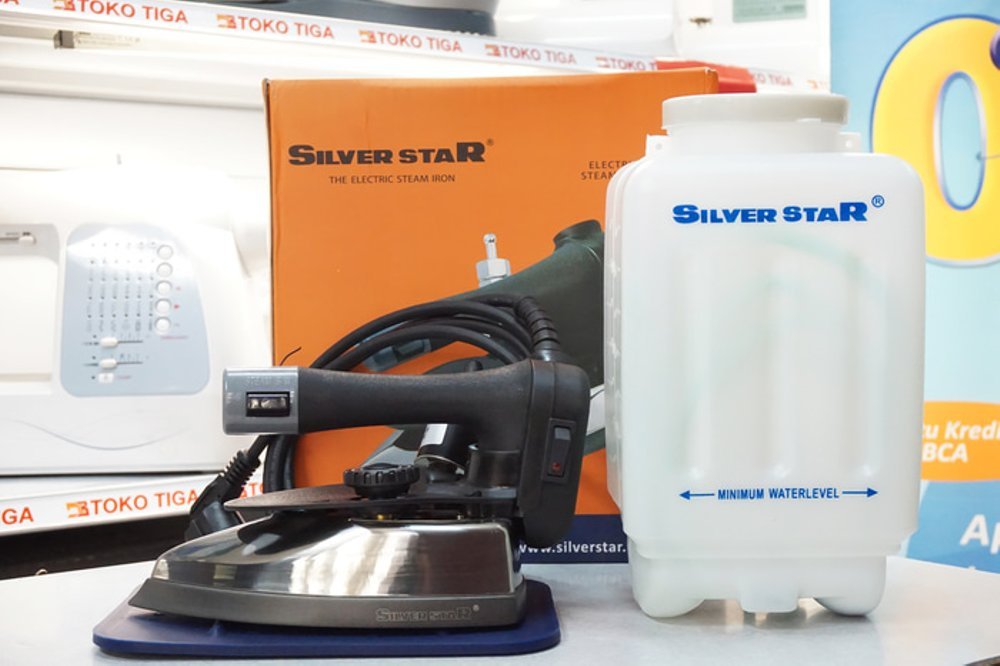
Why Steam is a Delicate Fabric’s Best Friend
Before we dive into the “how,” let’s talk about the “why.” Why is a steam iron so much better for your delicate clothes than a traditional dry iron? It all comes down to how heat and moisture interact with fabric fibers.
Dry heat flattens fibers by applying direct, intense pressure and temperature. For sturdy fabrics like cotton, this is fine. But for delicate protein-based fibers (like silk and wool) or fragile synthetics (like rayon and chiffon), this direct heat can easily burn, melt, or crush the fibers, causing irreversible damage.
Steam, on the other hand, is a gentler hero. It works by permeating the fabric with moist heat. This moisture relaxes the fibers from within, making them pliable and easy to smooth out. You can remove wrinkles with far less direct pressure and at a lower temperature, which is the golden rule for protecting delicate materials.
Expert Insight: “Think of it like this,” says Jonathan Carter, a textile care specialist with over 20 years of experience. “A dry iron is like shouting at the fibers to flatten out. A steam iron is like having a calm, persuasive conversation. The result is the same—no wrinkles—but the process is far less aggressive and damaging to the fabric’s integrity.”
Key Iron Features for Handling Delicates
Not all steam irons are created equal, especially when your wardrobe includes a lot of sensitive pieces. If you’re serious about garment care, here are the features to look for:
- Variable Temperature Settings: This is non-negotiable. Your iron must have clear, accurate settings for different fabric types, especially at the lower end of the spectrum (e.g., silk, synthetics).
- Adjustable Steam Output: The ability to control the amount of steam is crucial. Heavy steam bursts are great for linen, but for chiffon, a light, consistent mist is what you need.
- A High-Quality Soleplate: Look for materials like ceramic or stainless steel with a non-stick coating. They glide smoothly, distribute heat evenly, and are less likely to snag fragile weaves.
- Precision Tip: A tapered nose on the iron helps you navigate tricky areas like collars, cuffs, and around buttons without accidentally creasing the rest of the garment.
- Anti-Drip System: This feature prevents the iron from spitting water droplets at low temperatures—a common cause of water spots on fabrics like silk.
|
Our Picks for the Best Steam iron in 2026
As an Amazon Associate, we earn from qualifying purchases.
|
||
| Num | Product | Action |
|---|---|---|
| 1 | HiLIFE Steamer for Clothes, Portable Handheld Design, 240ml Big Capacity, 700W, Strong Penetrating Steam, Removes Wrinkle, for Home, Office(ONLY FOR 120V) |

|
| 2 | BLACK+DECKER Easy Steam Compact Iron, IR06V, Dual Position Cord, TrueGlide Non-Stick Soleplate, Vertical Steam, SmartSteam |
|
| 3 | BEAUTURAL Steamer for Clothes, Portable Handheld Garment Fabric Wrinkles Remover, 30-Second Fast Heat-up, Auto-Off, Large Detachable Water Tank |
|
| 4 | HiLIFE Steamer for Clothes, Portable Handheld Design, 240ml Big Capacity, 700W, Strong Penetrating Steam, Removes Wrinkle, for Home, Office(ONLY FOR 120V)-Black |
|
| 5 | Portable Travel Steamer, 1200W Handheld Fabric Steamer for Clothes, 4 Modes with LCD Display, Powerful Wrinkle Remover for Home & Travel, 150ml Water Tank, 10S Fast Heat-Up, 180° Swivel Handle |
|
| 6 | Conair Handheld Garment Steamer for Clothes, Turbo ExtremeSteam 1875W Fabric Steamer, Portable Handheld Design, Strong Penetrating Steam, White/Champagne |
|
| 7 | Hamilton Beach Steam Iron for Clothes & Garment Steamer with Smooth Press Stainless Steel Soleplate, 1200 Watts, 8’ Retractable Cord, Black (14214) |
|
| 8 | BLACK+DECKER Light ‘N Easy Compact Steam Iron, IR1020S, Stainless Steel Soleplate, Spray Mist, Anti-Drip, Auto Shutoff |
|
| 9 | HiLIFE Steamer for Clothes, Handheld Clothes Steamer with Large 300ml Tank, 1100W Strong Power, 30S Fast Heat-up, Garment Fabric Wrinkle Remover, Portable & Compact Travel Size ONLY FOR 120V (White) |
|
| 10 | Steamer for Clothes 1350W, Clothes Steamer for Home, Office, Travel, Upgraded 400ML Large Capacity Water Tank, Wrinkle Remover |
|
How to Use Steam Iron for Delicate Fabrics: The Definitive Guide
Alright, it’s time for the main event. Grab your garment, fill up your iron (with the right water!), and let’s get to work. Follow these steps for flawless results every time.
Step 1: Preparation is Everything
Before you even plug in the iron, get your station and your garment ready.
- Read the Care Label: This is your bible. The label will tell you the fabric composition and the recommended heat setting (often shown as a series of dots inside an iron symbol). If it says “Do Not Iron,” believe it. For those that can be ironed, start with the lowest recommended temperature.
- Ensure Your Garment is Clean: Ironing a stained or dirty garment can set the stain permanently. Always work with freshly laundered clothes.
- Turn the Garment Inside Out: This is a fantastic habit to get into. Ironing on the reverse side protects the fabric’s outer surface from direct heat, preventing shine and preserving its color and texture.
Step 2: Set Up Your Iron and Ironing Board
- Use Distilled Water: Tap water contains minerals that can build up inside your iron over time, leading to “spitting” of rusty water onto your clean clothes. Always use distilled or demineralized water to prolong the life of your iron and protect your fabrics.
- Select the Right Temperature: Set your iron to the lowest appropriate setting for the fabric you’re working with. For blends, always default to the setting for the most delicate fiber in the mix. Let the iron heat up completely before you start.
- Use a Pressing Cloth: This is arguably the most important tool for ironing delicates. A pressing cloth is a piece of clean, white, lint-free cotton fabric (like a flour sack towel or a piece of an old sheet) that you place between the iron and your garment. It acts as a protective buffer, diffusing the heat and preventing scorching and shine.
Step 3: The Art of Steam Ironing
Now for the technique itself.
- Test in an Inconspicuous Area: Before you go all-in, test the iron on a hidden part of the garment, like an inside seam or the hem. This ensures the temperature is correct and the fabric reacts well.
- Hover and Steam: For extremely delicate fabrics like chiffon, lace, or beaded items, you may not want the iron to touch the fabric at all. Hold the iron an inch or two above the surface and press the steam button. The steam will penetrate and relax the fibers. You can then gently smooth the fabric with your hand. This technique shares principles with vertical steaming. For more on this, you can learn about how to use steam iron for vertical steaming, which is perfect for hanging garments.
- Light and Quick Passes: If you are making contact, use light pressure and keep the iron moving. Never let the iron rest in one spot. Use swift, gentle glides across the fabric through the pressing cloth.
- Hang Immediately: Once you’ve finished a section or the entire garment, hang it up immediately on a good-quality hanger. This allows the fabric to cool and set in its new, wrinkle-free shape, preventing new creases from forming.
Pro Tips for Common Delicate Fabrics
Different fabrics require slightly different approaches. Here’s a quick cheat sheet.
How do you safely iron silk or satin?
For silk and satin, always use a pressing cloth and iron the garment while it is still slightly damp and inside out. The combination of low heat, moisture, and the protective barrier of the cloth will give you a smooth, luxurious finish without water spots or shine.
What’s the best way to iron wool?
Wool loves steam! But it hates high, direct heat. Use a medium temperature setting and a thick pressing cloth. Press down in sections rather than gliding the iron back and forth, which can stretch the fibers. Lift and press, lift and press. This will smooth wrinkles without distorting the shape of your sweater or trousers.
Can you steam iron synthetic fabrics like polyester or rayon?
Absolutely, but with caution. These are essentially plastics and can melt at high temperatures. Use the lowest heat setting (often labeled “Synthetic”). A pressing cloth is your best friend here to prevent the dreaded “shiny spot” effect.
Steam Iron vs. Dry Iron: Why It Matters for Delicates
| Feature | Steam Iron | Dry Iron |
|---|---|---|
| Heat Application | Moist, penetrating heat | Direct, surface-level heat |
| Temperature Needed | Lower temperatures are effective | Higher temperatures often required |
| Pressure Needed | Minimal pressure required | Heavy pressure needed to flatten fibers |
| Risk of Scorching | Lower, especially with a pressing cloth | Higher, due to direct contact |
| Best For | All fabrics, especially delicates | Sturdy fabrics like cotton and linen |
Maintaining Your Iron for Peak Performance
A clean iron is a safe iron. To prevent accidental stains, make it a habit to:
- Empty the water tank after every use.
- Wipe the soleplate with a soft, damp cloth when it’s cool.
- Run the self-clean or de-scaling function regularly, as per the manufacturer’s instructions.
Frequently Asked Questions (FAQ)
Q1: What should I do if my delicate garment’s label says “Do Not Iron”?
If the care label explicitly says not to iron, you should follow that instruction. Your best alternative is to use a garment steamer or the steam-hover method described above, holding the iron several inches away from the fabric without ever making contact.
Q2: Can I use a steam iron on velvet?
You should never press an iron directly onto velvet, as it will crush the pile. The only safe way is to steam it from the inside of the garment or use a vertical steamer. Never, ever iron the plush side.
Q3: My iron left a shiny mark on my polyester shirt. Can I fix it?
Sometimes. You can try dampening a pressing cloth with white vinegar and pressing over the shiny area. This can sometimes help lift the melted fibers. To prevent it, always use a pressing cloth and the lowest heat setting.
Q4: Do I really need a pressing cloth?
Yes. For delicate fabrics, a pressing cloth is the single best piece of insurance against disaster. It distributes heat more evenly and provides a crucial barrier between the hot soleplate and your fragile garment.
Q5: How often should I clean my steam iron?
It depends on your usage and water type. If you use distilled water, you can clean it every few months. If you use tap water in a hard-water area, you may need to de-scale it monthly to prevent mineral buildup.
Your Confidence in Garment Care Starts Here
Mastering how to use steam iron for delicate fabrics is a game-changer. It’s a skill that elevates your wardrobe, extends the life of your favorite clothes, and saves you money on professional dry cleaning. By understanding the simple principles of low heat, gentle steam, and protective barriers, you can approach any fabric with confidence. So go ahead, rescue that beautiful silk dress from the back of the closet. With your steam iron as your trusted partner, it’s ready for its moment to shine.