Let’s be honest, we’ve all been there. You pull out your favorite polyester blouse or dress for a big day, only to find it’s a crumpled mess. Your first instinct might be to grab the iron, but then a wave of panic sets in. We’ve all heard the horror stories of melted fabric and shiny, irreparable marks. But what if I told you that learning How To Steam Iron Polyester is not only possible but actually simple? With the right technique and a little know-how, you can achieve that crisp, fresh-from-the-store look without any of the stress. This guide will walk you through everything you need to know to become a true pro at caring for this incredibly versatile fabric.
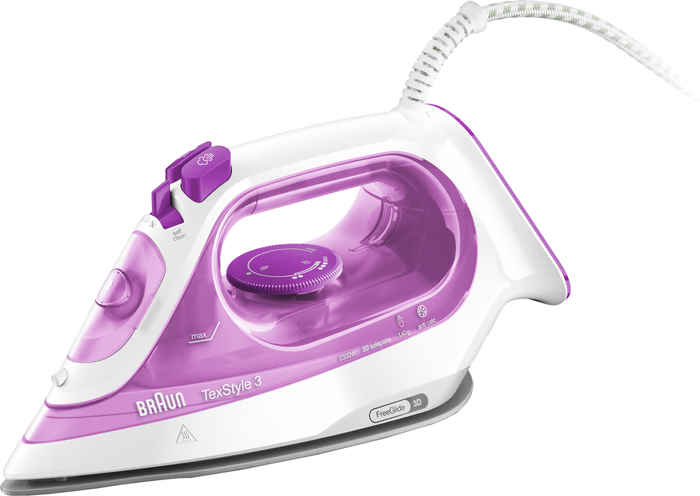
Why Steam Is Polyester’s Best Friend
Before we dive into the “how,” let’s tackle the “why.” Understanding your fabric is the first step to treating it right. Polyester is essentially a type of plastic. When you apply high, dry heat—like from a traditional dry iron cranked up to the max—you risk melting those synthetic fibers. This is what causes those dreaded shiny patches or, in a worst-case scenario, an actual hole.
A steam iron, on the other hand, is a game-changer. It uses a combination of gentle heat and moist steam to relax the fabric’s fibers, allowing the wrinkles to simply fall away. Think of it like a spa day for your clothes; it’s a much gentler and more effective approach than brute force. The steam penetrates deep into the fabric, releasing wrinkles from the inside out without needing scorching temperatures.
Key Features to Look for in a Steam Iron for Polyester
Not all steam irons are created equal, especially when you’re dealing with delicate synthetics. If you frequently find yourself wondering how to steam iron polyester, investing in the right tool is half the battle.
- Variable Temperature Control: This is non-negotiable. You need an iron with a clear, reliable low-heat or “synthetic” setting. Digital controls often offer more precision.
- A High-Quality Soleplate: Look for a ceramic or stainless steel soleplate. They distribute heat evenly and glide smoothly, reducing the risk of snagging or sticking.
- Powerful Steam Burst and Spray Mist: For stubborn wrinkles, a targeted burst of steam or a light mist of water can make all the difference. It provides extra moisture to relax tough creases without having to increase the heat.
- Auto Shut-Off: This is a fantastic safety feature that gives you peace of mind. If you get distracted, the iron will turn itself off, preventing any potential accidents.
How to Steam Iron Polyester: The Step-by-Step Method
Alright, it’s time for the main event. Grab your wrinkled polyester garment and your steam iron, and let’s get it looking flawless.
- Always Read the Care Label First: This is the golden rule of garment care. The manufacturer’s label will give you the most accurate instructions, including the recommended heat setting. Look for the iron symbol—if it has one or two dots, you’re good to go on a low or medium setting. If it’s crossed out, do not iron!
- Prepare Your Iron: Make sure your iron’s soleplate is clean and free of any residue. Fill the reservoir with distilled water. Why distilled? Tap water contains minerals that can build up over time, clogging your iron’s steam vents and even leaving stains on your clothes. As the experts at Steam Iron Water, we can’t stress this enough!
- Set the Correct Temperature: Select the lowest heat setting on your iron. This is typically labeled as “Synthetic,” “Polyester,” or marked with a single dot. It’s always better to start too low and gradually increase the heat if needed, rather than starting too high and causing damage.
- Turn the Garment Inside Out: This is a pro-level tip that makes a huge difference. Ironing polyester on the reverse side is the single best way to prevent creating those shiny, tell-tale marks on the fabric’s surface.
- Use a Pressing Cloth (For Extra Protection): For dark-colored polyester or particularly delicate items, place a thin, clean cotton cloth (like a pillowcase or handkerchief) between the iron and your garment. This acts as a protective barrier, diffusing the heat even further.
- Test in a Hidden Spot: Before you tackle the main part of the garment, quickly test the iron on an inconspicuous area, like an inside seam or hem. This ensures your temperature setting is safe and won’t cause any discoloration or melting.
- Use Swift, Gentle Motions: Press the iron lightly onto the fabric and keep it moving. Don’t let it sit in one spot for more than a few seconds. Let the steam do the heavy lifting. Use the steam burst button for any particularly stubborn creases. You might even find that just hovering the iron over the fabric and steaming is enough to release many of the wrinkles.
- Hang It Up Immediately: Once you’ve finished a section, hang the garment on a hanger right away. This allows the fabric to cool and set in its new, wrinkle-free shape, preventing new creases from forming while it’s still warm.
“The biggest mistake people make with polyester is using too much heat and pressure,” notes Sarah Jenkins, a veteran garment care specialist. “Let the steam penetrate the fibers. A light touch and a pressing cloth are your most valuable tools for a perfect, professional finish every time.”
Steam Iron vs. Dry Iron for Polyester: Why There’s No Contest
Still on the fence about steam? Let’s break down why a steam iron is the clear winner when it comes to caring for synthetic fabrics like polyester.
- Safety: Steam allows you to use a much lower temperature, significantly reducing the risk of melting or scorching the fabric.
- Efficiency: The moisture from the steam helps wrinkles relax faster, meaning you spend less time ironing.
- Effectiveness: Steam penetrates fabric deeper than dry heat, making it far more effective at removing stubborn, set-in creases.
- Finish: Steam ironing gives polyester a smooth, natural finish without the risk of creating a shiny, “over-pressed” look.
|
Our Picks for the Best Steam iron in 2026
As an Amazon Associate, we earn from qualifying purchases.
|
||
| Num | Product | Action |
|---|---|---|
| 1 | HiLIFE Steamer for Clothes, Portable Handheld Design, 240ml Big Capacity, 700W, Strong Penetrating Steam, Removes Wrinkle, for Home, Office(ONLY FOR 120V)-Black |

|
| 2 | HiLIFE Steamer for Clothes, Handheld Clothes Steamer with Large 300ml Tank, 1100W Strong Power, 30S Fast Heat-up, Garment Fabric Wrinkle Remover, Portable & Compact Travel Size ONLY FOR 120V (White) |
|
| 3 | Conair Handheld Garment Steamer for Clothes, Turbo ExtremeSteam 1875W Fabric Steamer, Portable Handheld Design, Strong Penetrating Steam, White/Champagne |
|
| 4 | BLACK+DECKER Easy Steam Compact Iron, IR06V, Dual Position Cord, TrueGlide Non-Stick Soleplate, Vertical Steam, SmartSteam |
|
| 5 | BEAUTURAL Steamer for Clothes, Portable Handheld Garment Fabric Wrinkles Remover, 30-Second Fast Heat-up, Auto-Off, Large Detachable Water Tank |
|
| 6 | HiLIFE Steamer for Clothes, Portable Handheld Design, 240ml Big Capacity, 700W, Strong Penetrating Steam, Removes Wrinkle, for Home, Office(ONLY FOR 120V) |
|
| 7 | BLACK+DECKER Light ‘N Easy Compact Steam Iron, IR1020S, Stainless Steel Soleplate, Spray Mist, Anti-Drip, Auto Shutoff |
|
| 8 | Hamilton Beach Steam Iron for Clothes & Garment Steamer with Smooth Press Stainless Steel Soleplate, 1200 Watts, 8’ Retractable Cord, Black (14214) |
|
| 9 | Steamer for Clothes 1350W, Clothes Steamer for Home, Office, Travel, Upgraded 400ML Large Capacity Water Tank, Wrinkle Remover |
|
| 10 | Portable Travel Steamer, 1200W Handheld Fabric Steamer for Clothes, 4 Modes with LCD Display, Powerful Wrinkle Remover for Home & Travel, 150ml Water Tank, 10S Fast Heat-Up, 180° Swivel Handle |
|
Maintaining Your Iron for Perfect Performance
Knowing how to steam iron polyester also means knowing how to care for your tools. A well-maintained iron will perform better and last longer.
- Empty the Water Tank: Always empty the water reservoir after each use to prevent leaks and mineral buildup.
- Clean the Soleplate: If you notice any residue, clean the soleplate while it’s cool and unplugged. A damp cloth with a little bit of baking soda paste or a specialized soleplate cleaner works wonders.
- Descale Regularly: Follow your iron’s manual to descale it every few months, especially if you live in a hard water area. This keeps the steam vents clear and powerful. You can explore
[our complete guide to descaling your steam iron]for more detailed steps.
Frequently Asked Questions
What temperature should I use to steam iron polyester?
You should always use a low heat setting. On most irons, this is labeled as “Synthetic,” “Polyester,” or indicated by a single dot on the temperature dial. A safe range is typically between 250-300°F (121-148°C).
Can you ruin polyester with a steam iron?
Yes, you can still ruin polyester if the temperature is set too high. Even with steam, excessive heat can melt the synthetic fibers. Always start with the lowest setting and test on a hidden area first.
How do you get deep wrinkles out of 100% polyester?
For deep wrinkles, turn the garment inside out, use a pressing cloth, and apply a powerful burst of steam directly to the crease. You can also lightly dampen the area with a spray bottle before pressing. Be patient and use continuous motion.
Is it better to steam or iron polyester?
Using a steam iron is far better than using a dry iron. The combination of moist heat is gentler and more effective at relaxing wrinkles in synthetic fabrics without the high risk of melting associated with dry, direct heat.
How do I get rid of shiny iron marks on polyester?
Preventing them is best by ironing inside out with a pressing cloth. If you already have a shiny mark, you can sometimes lessen its appearance by dabbing the area with a cloth soaked in white vinegar and then pressing over it with a clean pressing cloth.
Your Key to Flawless Polyester Care
Mastering how to steam iron polyester is a simple skill that elevates your entire wardrobe. It transforms a task filled with anxiety into a quick, satisfying process. By remembering to use low heat, harness the power of steam, and protect your fabric, you can keep your polyester garments looking sharp, professional, and brand new. Say goodbye to wrinkles and hello to confidence in every outfit.