There’s nothing quite like that sinking feeling when you’re all set to press a crisp shirt, and instead of a satisfying puff of steam, you’re met with a dreaded puddle of water on your favorite garment. Figuring out how to fix a steam iron leaking water is one of the most common and frustrating laundry room puzzles. But before you banish your iron to the back of the closet, take a deep breath. In most cases, this is a problem you can absolutely solve yourself.
As a specialist who has seen every possible iron mishap, I can tell you that a leaking iron is usually just asking for a little attention, not a trip to the trash. We’re going to walk through the most common culprits together, from simple user errors to signs it might be time for a deep clean. Let’s get that iron back to its glorious, steam-producing self.
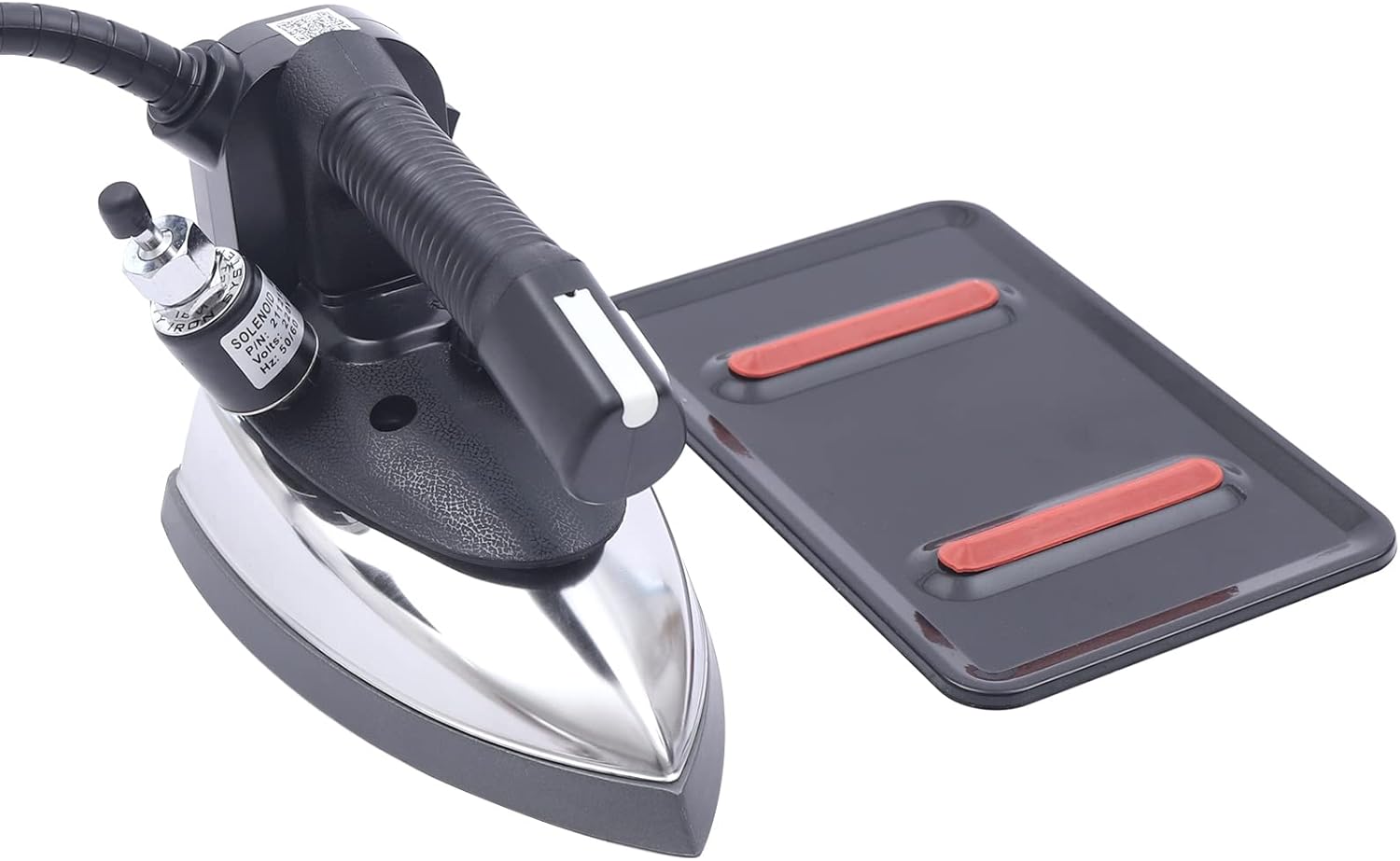
First Things First: Why Is My Steam Iron Leaking Water?
Before we jump into the fixes, it helps to play detective. Understanding why your iron is spitting water is the key to preventing it from happening again. Think of it like a doctor diagnosing a symptom. A leak isn’t the disease; it’s a sign of an underlying issue.
Most of the time, the cause falls into one of these buckets:
- The Temperature Isn’t Hot Enough: This is the number one offender. Your iron needs to reach a specific temperature to turn water into steam. If it’s not hot enough, the water has nowhere to go but out the soleplate holes.
- The Water Tank is Overfilled: There’s a reason for that “MAX” line! Pushing it to the limit can cause water to seep out, especially when the iron is tilted.
- Mineral Buildup (Limescale): If you use tap water, minerals like calcium and magnesium can build up over time, clogging the steam vents and forcing water out through any available opening.
- A Damaged Part: Less common, but still possible, is a crack in the water tank or a worn-out seal that’s past its prime.
Now that we know the potential suspects, let’s get down to the business of fixing them.
Your Step-by-Step Guide on How to Fix Steam Iron Leaking Water
Let’s tackle these issues one by one with simple, actionable steps. Start with the first fix, as it’s the most likely solution.
Fix 1: Check Your Temperature and Be Patient
It sounds almost too simple, but I see this all the time. You’re in a hurry, you plug in the iron, fill it up, and immediately try to get a burst of steam. The result? A sputter of hot water.
The Science Bit: A steam iron works like a tiny, on-demand kettle. A heating element boils the water in the reservoir, turning it into pressurized steam that escapes through the vents. If the soleplate isn’t hot enough to flash-boil that water, it just pushes the liquid water out instead.
How to Fix It:
- Set the Right Temperature: Turn your iron’s dial to a high heat setting, like Cotton or Linen. Most irons won’t produce proper steam on lower synthetic settings.
- Wait for the Light: Nearly every iron has an indicator light that turns on when it’s heating up and turns off (or changes color) when it has reached the target temperature. Do not press the steam button until that light tells you it’s ready.
- Give It an Extra 30 Seconds: Even after the light goes off, I recommend waiting another 30 seconds to a minute to let the heat fully saturate the soleplate.
- Test It: Before touching your garment, hold the iron over the ironing board and press the steam button. You should get a powerful, dry puff of steam, not a wet dribble.
Fix 2: Mind the Max Fill Line
We’ve all done it—tried to squeeze just a little more water into the tank to avoid refilling mid-session. This is a classic recipe for leaks.
Pro Tip: Think of the water tank like a bathtub. If you fill it to the absolute brim, the water will slosh out the moment you move it. The iron needs a little air space at the top to function correctly, especially as the water expands when heated.
How to Fix It:
- Unplug the iron and let it cool down.
- Hold it over a sink and carefully pour out any excess water until the level is at or just below the “MAX” line indicated on the tank.
- Problem solved. It’s often that easy!
Fix 3: Banish the Mineral Buildup
If you’ve been using tap water, especially in a hard water area, this is likely your culprit. Limescale can clog the internal channels and steam vents, creating back-pressure that forces water out in droplets. You might also see white, chalky flakes or rusty-looking water.
This mineral blockage is a common culprit not just for leaks, but also for another frustrating issue. For a deeper dive, understanding how to fix a steam iron not steaming can provide additional clues, as the root causes are often intertwined.
How to Fix It (The Deep Clean):
- Create a Cleaning Solution: Mix a solution of 50% distilled white vinegar and 50% distilled water. Never use pure vinegar, as it can be too harsh on the iron’s internal components.
- Fill the Tank: Fill the iron’s water reservoir to about one-third of its capacity with this solution.
- Heat It Up: Plug in the iron, turn it to its highest setting, and let it heat up completely.
- Steam It Out: Hold the iron horizontally over a sink or an old towel. Press and hold the steam button to flush the vinegar solution through the vents. Do this in 20-30 second bursts until the reservoir is empty. You’ll likely see some gunk come out with the steam.
- Rinse Thoroughly: Fill the tank with fresh distilled water and repeat the process to flush out any remaining vinegar and debris. I recommend rinsing it twice to be safe.
- Wipe It Down: Once cool, wipe the soleplate with a damp cloth.
Prevention is the Best Medicine: Keeping Your Iron Leak-Free
Once you’ve solved the problem, you want to keep it from coming back. A few simple habits can make all the difference.
- Always Empty After Use: This is non-negotiable. Leaving water in the tank between uses encourages mineral buildup and can cause leaks the next time you heat it up.
- Use the Right Water: Check your iron’s manual. Many modern irons are designed for tap water, but if you live in a hard water area, using distilled water will dramatically extend the life of your iron and prevent clogs.
- Store It Properly: Always store your iron in the upright, heel-rest position, never flat on its soleplate. This prevents any residual water from leaking out or sitting in the steam chamber.
- Clean It Regularly: A monthly deep clean, like the vinegar-water flush described above, is a fantastic habit to get into.
As professional garment care specialist Sarah Jenkins often says, “Treat your iron like any other high-performance tool. A little bit of maintenance goes a long way. Using the right water and emptying the tank are the two simplest things you can do to avoid 90% of common iron problems.”
Frequently Asked Questions (FAQ)
Q1: Why does my steam iron leak brown water?
This is almost always a sign of mineral and rust buildup inside the iron. The brown color is from limescale deposits mixed with trace amounts of metal from the internal components. A thorough cleaning with a vinegar and distilled water solution should clear it out.
Q2: Is it safe to use a leaking steam iron?
It’s best to be cautious. While most irons are designed with safety features, water and electricity are never a good mix. A small dribble from a low-temperature issue is less concerning than a constant leak. Unplug the iron and address the root cause before continuing to use it.
Q3: Can I use tap water in my steam iron?
It depends on your iron and your water. Many modern irons have anti-calc filters and are designed to handle tap water. However, if you know you have hard water, switching to a 50/50 mix of tap and distilled water, or using only distilled water, is the best way to prevent the mineral buildup that causes leaks.
Q4: My iron leaks even when the steam function is off. Why?
If water is leaking out when the iron is just sitting there or heating up (and not overfilled), it could indicate a crack in the plastic water tank or a faulty seal. Carefully inspect the body of the iron for any visible cracks or damage.
Q5: How often should I clean my iron to prevent leaks?
For a heavy user, a deep clean once a month is a great routine. If you iron less frequently or exclusively use distilled water, cleaning it every 2-3 months is usually sufficient to keep the steam vents clear and the performance optimal.
Your Final Takeaway on Leaking Irons
Dealing with a sputtering, dripping iron can certainly test your patience, but as we’ve seen, learning how to fix a steam iron leaking water is usually a matter of simple adjustments and good maintenance. By letting your iron heat up fully, respecting the max fill line, and keeping it clean from mineral buildup, you can ensure a long and happy relationship with your appliance. A well-cared-for iron is the secret to a perfectly pressed wardrobe, giving you crisp, professional results every single time.